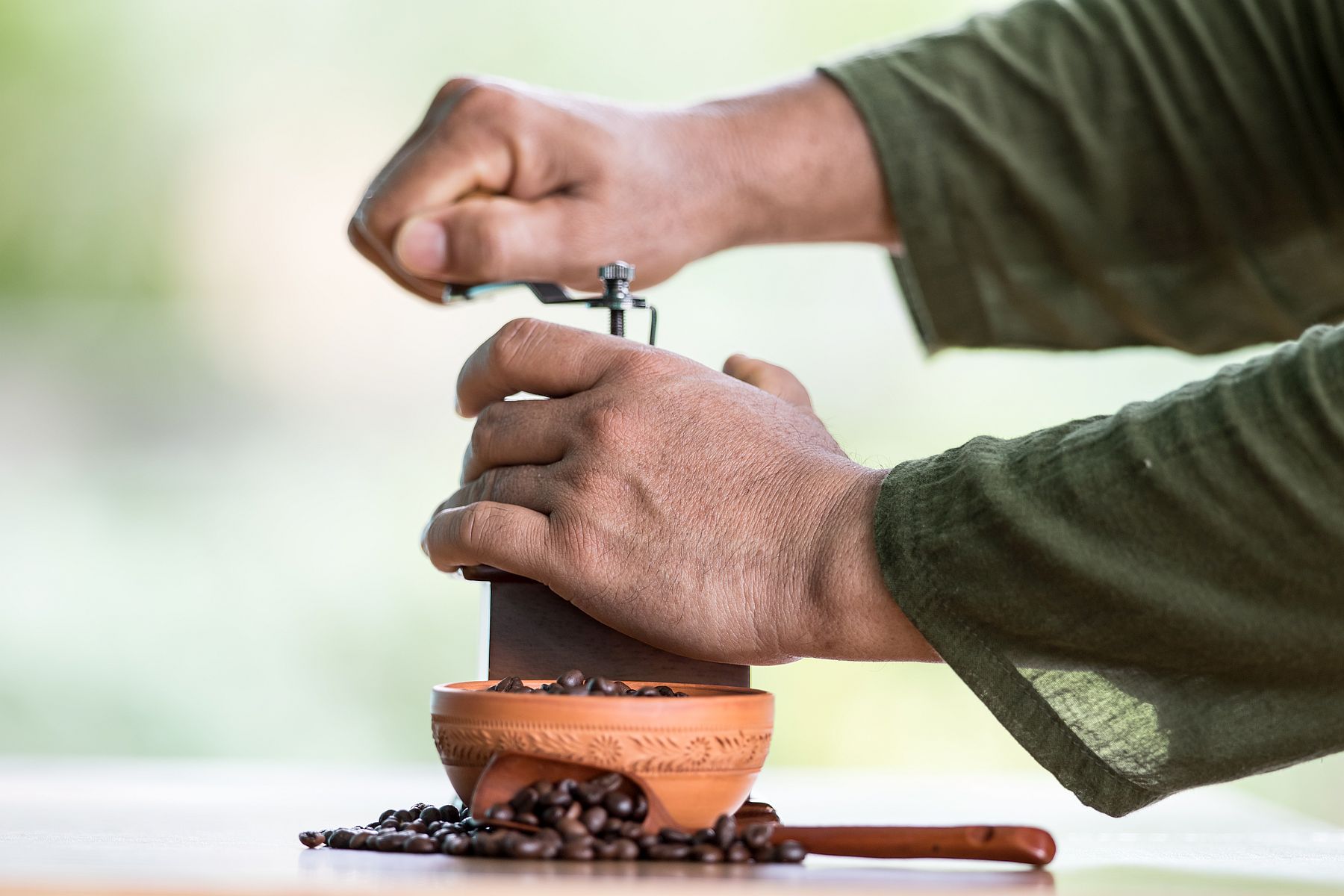
The Critical Role of Grind Size Consistency
Why Every Variable Matters
In the world of drip coffee, numerous variables demand attention. Each factor—from the precise water temperature to the exact brewing time—plays a definitive role in shaping the final cup. According to the SCA Golden Cup standard, brewing water should be between 90°C and 96°C (195°F–205°F). However, one of the most crucial variables is the grind size, which critically affects extraction.
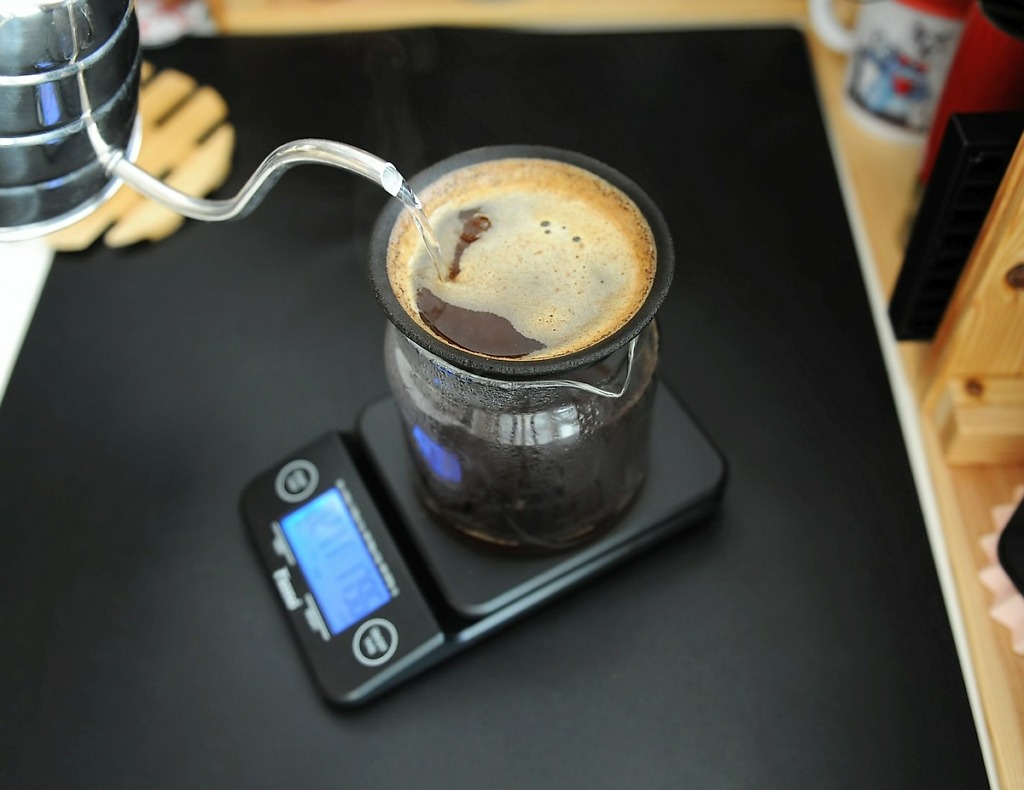
How Grind Size Affects Extraction
The size of the coffee particles after grinding significantly influences the extraction process, as detailed by Scott Rao in The Professional Barista’s Handbook. Extraction, in this context, refers to the rate at which soluble compounds from the coffee bean dissolve into the water. A finer grind increases surface area, facilitating a faster extraction. Conversely, a coarser grind reduces surface area, thereby slowing down the extraction process.
Surface area is also why consistency matters. In an uneven grind, the fine particles present far more surface area than the coarse ones, so they over-extract while the large particles under-extract in the same brew. The cup ends up bitter and sour at once, and no adjustment of dose or ratio fixes that split. A uniform grind keeps every particle extracting at the same rate.
Adding complexity to the process, the brew temperature and extraction time also play crucial roles. Maintaining water between 90°C and 96°C (195°F–205°F) is essential for optimal results, as recommended by the Specialty Coffee Association.
For instance, with a finer grind size, a shorter extraction time is necessary because coffee extracts more rapidly, as noted by Scott Rao in The Professional Barista’s Handbook. When using a coarser grind, the extraction time must be extended.
The Pitfalls of Over-Extraction and Under-Extraction
- Over-Extraction: Extracting too much from the coffee beans results in a bitter, astringent cup.
- Under-Extraction: Conversely, extracting too little from the coffee beans results in a weak, sour, or salty cup.
Great coffee brewing is almost a miracle. You will always get some bitterness because two of the most important compounds in coffee are bitter: caffeine and chlorogenic acid. According to experts like Scott Rao and James Hoffmann, over-extraction is a common cause of excessive bitterness. However, extracting too much will yield bitter and tannic compounds that have no value for us as coffee lovers.
The miracle of coffee is that there is a precise tipping point where you have extracted all the desirable flavors from the beans, but almost none of the unwanted bitter compounds. Professional baristas meticulously create recipes by brewing numerous cups, tasting them, and adjusting various factors to achieve that perfect tipping point with their specific set of brewing variables.
Undesirable compounds dissolve more slowly than caffeine, chlorogenic acid, the various sugars, and aromatic compounds in the beans. This is advantageous because we can adjust our brew temperature and extraction time to avoid extracting the bitter compounds. Maintaining a water temperature between 195-205°F helps achieve optimal extraction. But what happens when we have a mix of fine and coarse ground coffee?
The mix of very fine particles and coarse particles will have different extraction times. Research published in the Journal of Food Science indicates that if you adjust for the fine particles, you properly extract only the fine grounds, resulting in part of your coffee being under-extracted, which leads to a sour taste.
If you adjust for the coarser particles, you will need to extract longer, causing the fine particles to over-extract, which can make the coffee taste bitter.
Sometimes, you can even end up with a coffee that is both bitter and sour, which is far from the balanced brew you’re aiming for.
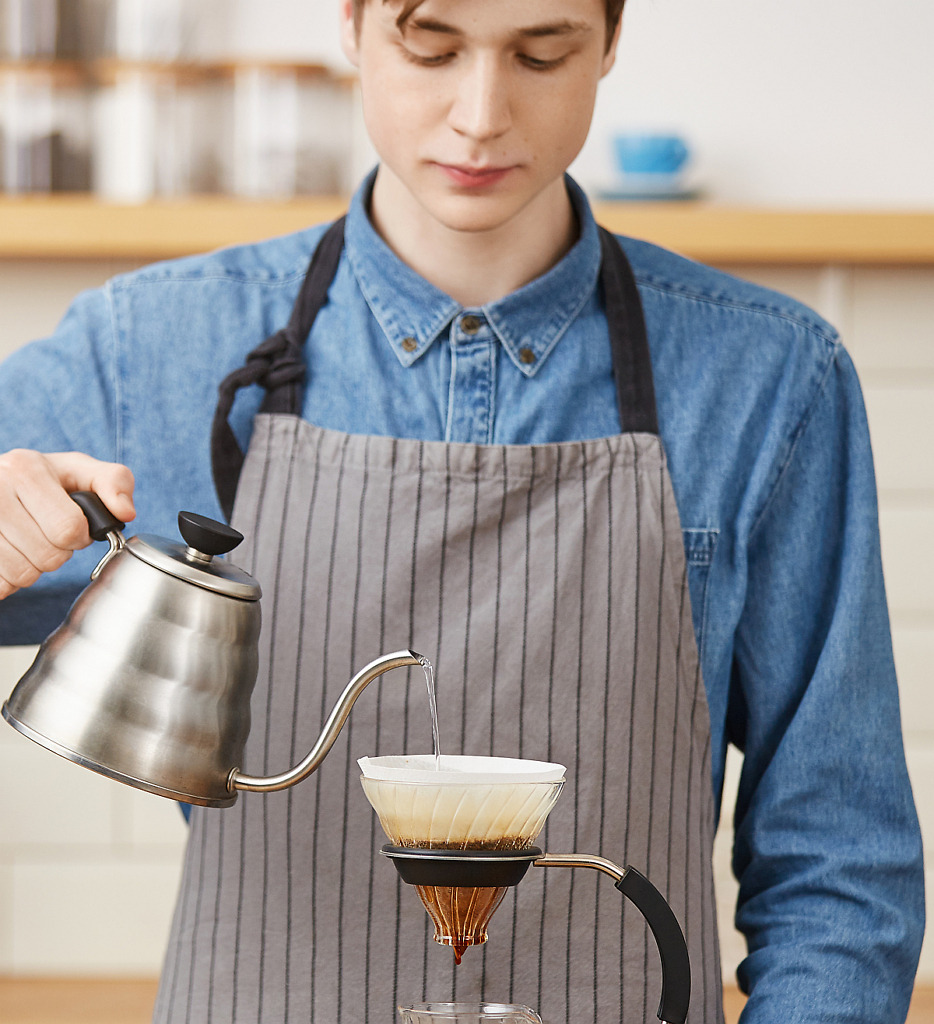
The Science Behind Perfect Coffee Extraction
The Sequence of Coffee Extraction
When coffee grounds contact water at 195-205°F, specific compounds dissolve in a particular order. Initially, fruity acids and aromatics dissolve, followed by sugars and caffeine, and finally, the less desirable bitter compounds. The grind size critically influences the rate of this dissolution, as confirmed by research from the Specialty Coffee Association.
The Necessity of Uniform Grind Size
Uniform grind size is crucial for achieving a balanced, high-quality extraction. It ensures each coffee particle is exposed to water in a similar manner, enabling a consistent extraction rate. This consistency allows you to enjoy the full, intended flavor spectrum without tipping into over-extraction or under-extraction, a principle validated by peer-reviewed studies on coffee brewing dynamics. Your personal preference for a lighter or darker roast will further guide how you adjust your grind to achieve that perfect cup.
The Role of Personal Preferences in Coffee Brewing
Tailoring Your Brew
While science provides guidelines, coffee brewing is not a one-size-fits-all endeavor. Personal preference plays a significant role in determining what you consider a “perfect” cup, and understanding extraction science helps you dial in your taste.
Some individuals prefer a bitter cup, finding the extra bitterness pleasant, and feel that its absence is unsatisfying. This bitterness is a sign Scott Rao and James Hoffmann both link to over-extraction, which can be adjusted by coarsening your grind.
There is also a trend in coffee to roast the beans very light, using specialty-grade beans scoring 80+ on the Coffee Quality Institute scale. A lighter roast will be more acidic than darker ones, and the extraction is much lower than with dark roasts, requiring a finer grind to achieve balance.
Expert Tips for Achieving Consistent Grinds
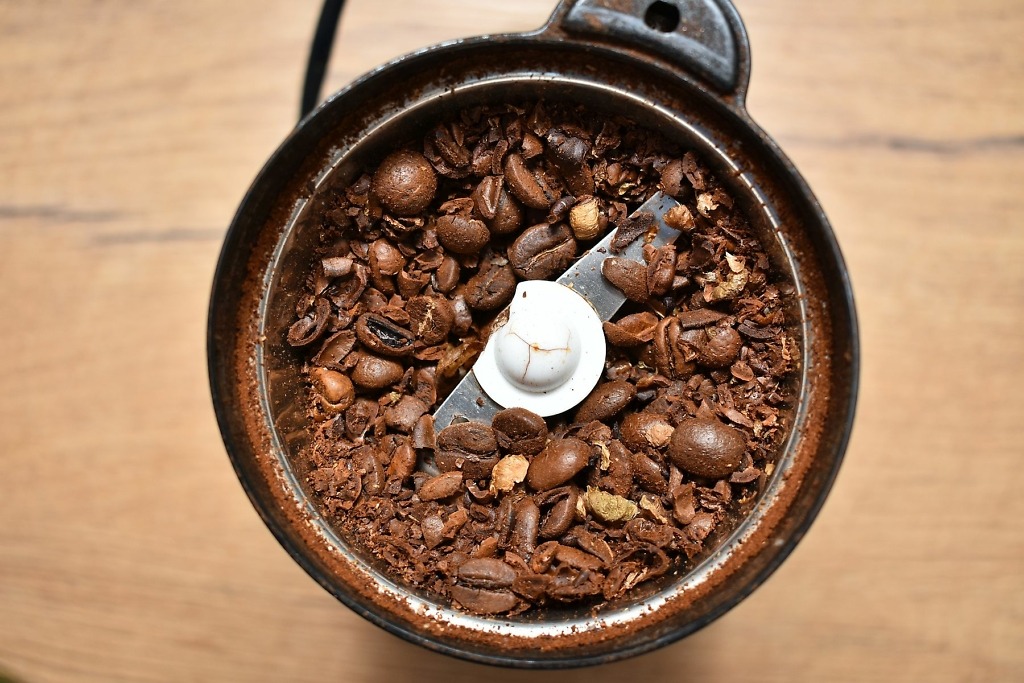
- Invest in a Quality Grinder: The foundational step is to invest in a high-quality burr grinder, which is far more reliable than a blade grinder for achieving a uniform particle distribution. According to the Specialty Coffee Association (SCA), burr grinders are essential for consistent particle size.
- Regular Maintenance is Key: A clean grinder is essential for consistent performance, as old coffee oils and particles can stick to the burrs, directly affecting grind uniformity.
- Be a Coffee Scientist: Systematically experiment with different grind sizes and brewing times, but always adjust only one variable at a time to accurately isolate its effect on extraction.
The most critical point here is to acquire a decent burr grinder. Burr grinders, which experts like Scott Rao and the SCA both recommend over blade grinders for particle-size consistency, are crucial. Drip coffee is more forgiving than espresso or Turkish methods from this perspective. If you have a decent burr grinder, you should be fine with some fines in your dripper. However, categorically avoid blade grinders as they cannot produce a uniform grind. Moreover, you will have zero control over the target grind size either.
Conclusion: Elevate Your Coffee Game Through Grind Consistency
Grind size consistency is not just a minor detail; it’s the foundational cornerstone of specialty-grade brewing quality, as recognized by industry standards. Understanding its critical importance and how it interacts with key variables like extraction time and water temperature can significantly elevate your coffee brewing results. According to the Specialty Coffee Association, investing in a quality burr grinder and maintaining it with regular cleaning is essential for precision. Embrace the systematic joy of experimentation, as your journey to achieving the perfect cup of coffee is fundamentally just a consistent grind away.
