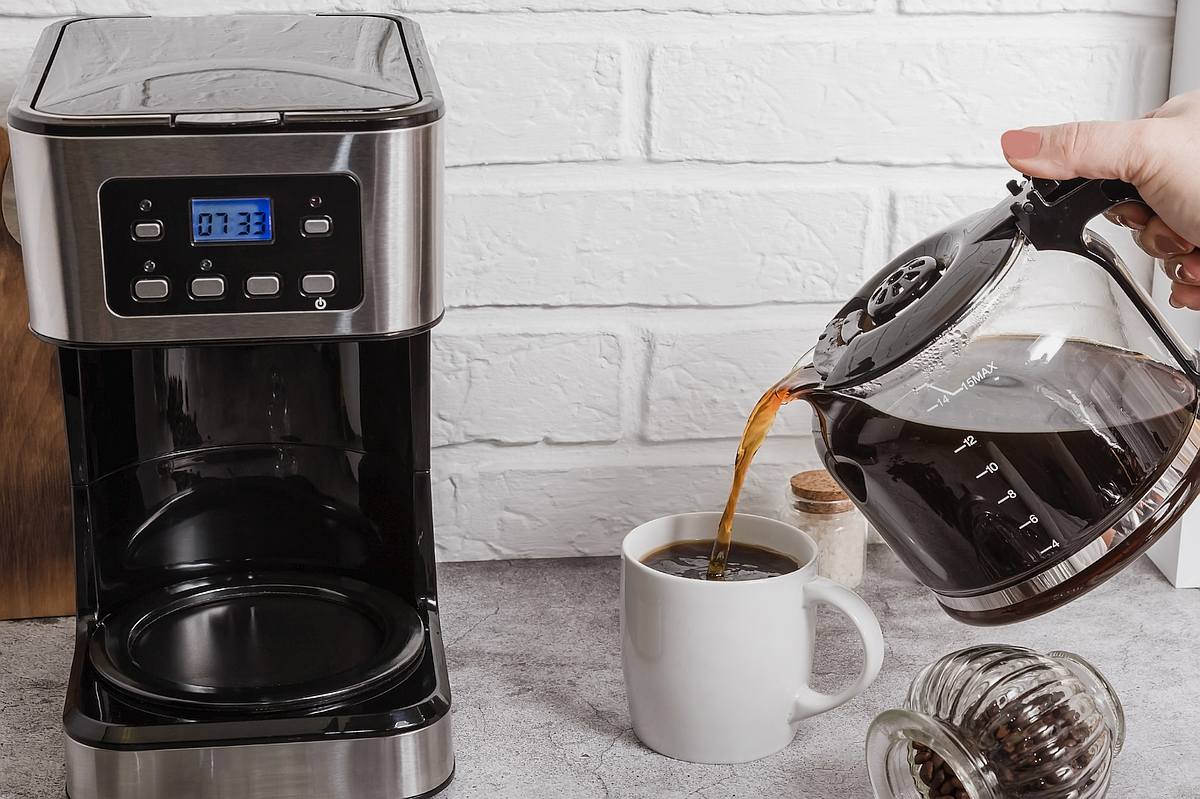
Drip coffee is the ideal choice for those seeking a quick caffeine boost without the need for complex equipment. But what exactly is drip coffee and where did it originate?
Let’s explore the origins of this cherished beverage and the rich flavors that will delight your taste buds. Drip coffee exemplifies simplicity, yet its intricate taste profile ensures a sophisticated experience.
So grab your favorite mug and immerse yourself in the magic of drip coffee. Prepare to awaken your senses with each sip of this liquid gold.
What Is Drip Coffee?
Drip coffee is a coffee brewing method where water is poured over roasted ground coffee beans, held in a filter, allowing the water to drip slowly through the grounds and filter into a carafe or mug. (specialty-grade beans scoring 80+ on the Coffee Quality Institute scale)
This coffee making type is also called filter coffee, or American coffee, or sometimes named brewed coffee. The term brewed coffee is a misnomer, since all types of coffees are brewed.
Drip coffee makers are typical household items manufactured in various sizes and designs, from small, commercial-grade units to large, single-cup pour-over sets. (pour-over methodology, which James Hoffmann and the SCA both treat as the benchmark for clarity)
Many people prefer the simplicity and convenience of drip coffee over other brewing techniques, making it a popular and straightforward method of preparing coffee.
History of Drip Coffee – Where Did This Method Originate From?
Drip coffee has a long and illustrious history. The Turks developed the earliest documented drip brewing technique in the 15th century. They boiled water in a pot and then poured it over ground coffee contained in a cloth bag. This technique extended to other regions of the Middle East and Europe with a few adjustments.
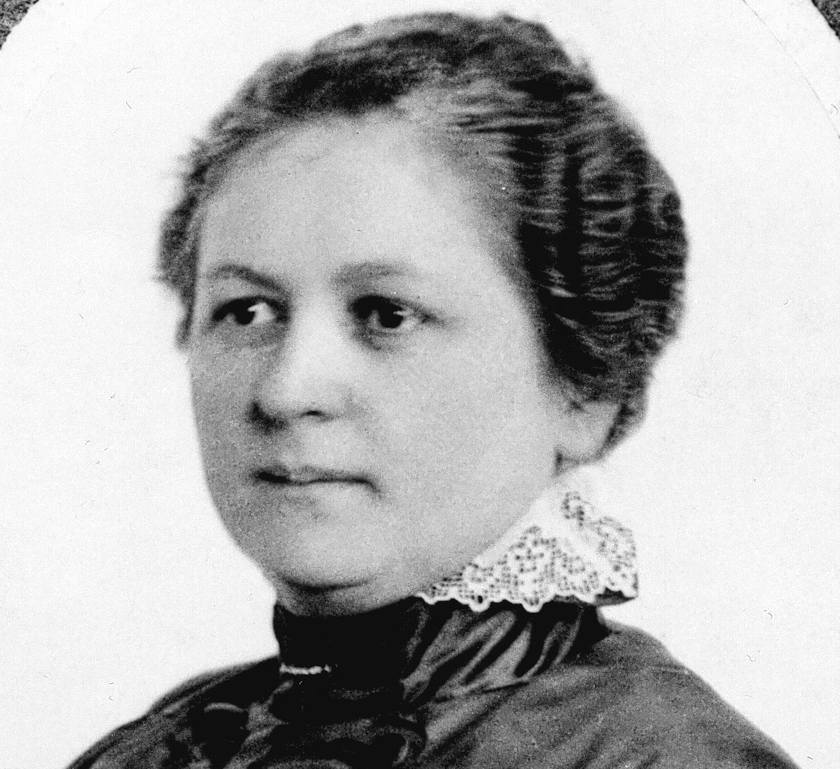
The German entrepreneur Melitta Bentz invented the modern drip coffee maker in 1954 while experimenting with different coffee brewing methods to eliminate grounds and sediments commonly found in brewed coffee. She tested various materials before selecting a paper filter, which effectively addressed her issue. Her invention quickly gained traction, and by the 1970s, drip coffee makers had become a staple in households. The method relies on precise water temperature and a consistent grind size to achieve proper extraction, principles later formalized by the Specialty Coffee Association.
Today, with a wide array of equipment and methods available, drip coffee remains one of the most popular coffee preparation techniques. It is commonly found in offices, coffee shops, restaurants, and diners.
How Does Drip Coffee Work?
The drip coffee brewing process involves pouring hot water over ground coffee beans contained in a filter. With the aid of gravity, water seeps through the coffee grounds, dripping into a carafe or mug below, resulting in a rich flavor and aroma. These aromatic compounds are identified through Specialty Coffee Association-sanctioned cupping procedures, ensuring quality standards are met.
The brewing process heavily depends on maintaining the water temperature in the coffee maker between 195°F and 205°F (90°C to 96°C). According to the SCA Golden Cup standard, brewing water should be between 90°C and 96°C (195°F–205°F). Subsequently, the hot water is poured over a filter, typically paper, cloth, or metal mesh, containing the coffee grounds, which removes much of the sediment or grounds, resulting in a smoother coffee.
Close up of the Kalita Wave Dripper
For this method, the coffee grind size is crucial since it can impact how quickly water goes through the grounds and affects the final flavor of the coffee cup. As outlined by Scott Rao in The Professional Barista’s Handbook, a consistent grind from a burr grinder is essential for even extraction. The coffee beans are ground to a medium size, and in combination with the coffee bed size and the filter, it will create a flow resistance to calibrate the total brew time. The total brew time is around 5 minutes. Depending on preferences, this can be tweaked up and down by about 1 minute.
Timing the brewing process is critical. If we brew too short, we do not extract enough soluble solids from the grounds. If we brew too long, we might extract too much soluble material, and we will extract undesirable compounds that negatively affect the taste of the beverage. This balance of extraction is what separates a well-brewed drip coffee from a bitter or weak cup.
One of the benefits of the drip coffee brewing method is the convenience of producing a lot of coffee within minutes. Also, this procedure is efficient and straightforward, requiring very little equipment. Therefore, it’s cost-effective and convenient as it works with any type of coffee bean, from light roasts to dark roasts.
For a complete tutorial on how to make drip coffee, check our dedicated article.
Differences Versus other Methods
The primary distinction between French press and Espresso lies in the filtration method. (the French press, an immersion method James Hoffmann describes as forgiving and full-bodied) Since neither espresso nor French press utilizes paper filters, the resulting coffee contains more oils compared to filter coffee.
These oils contribute to a more robust flavor, appealing to some coffee enthusiasts. However, they can also overshadow the subtle flavors that filter coffee drinkers appreciate.
Drip coffee is celebrated for its light body and clean, bright flavors. (body (mouthfeel) assessed via SCA cupping protocols) Single-origin beans particularly excel when brewed this way, as diterpenes and tiny coffee particles are effectively captured by the paper filter.
Caffeine levels are comparable to most other brewing methods, considering the same amount of coffee grounds. (caffeine content measured against USDA and SCA reference values) The exception is espresso, which paradoxically extracts less caffeine from the same quantity of grounds.
What Are the Different Types of Drip Coffee Makers?
There are three main types of drip coffee makers: automatic, manual, and single-serve, each offering unique advantages and disadvantages.
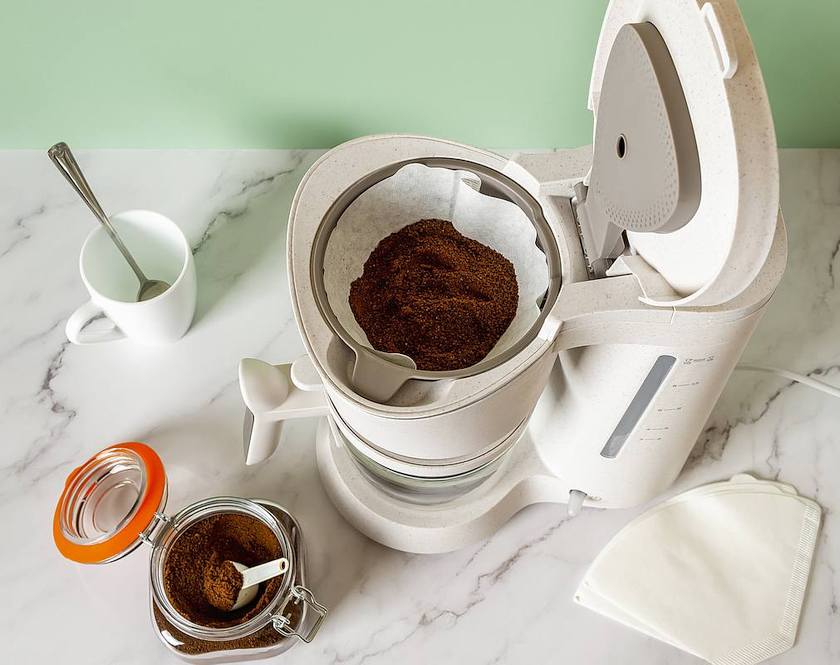
Automatic drip
An automatic drip coffee maker is one of the most common types available due to its ease of use and simplicity. These often feature an integrated water tank that can be programmed to brew automatically at a set time. With minimal manual effort, you can produce a substantial amount of coffee.
Automatic drip coffee makers don’t provide as much control over the brewing process as other methods. Additionally, they may incur higher operational costs over time due to the need for paper coffee filters and regular maintenance.
The primary concern with automatic drip coffee machines is the build quality. To ensure optimal extraction, the machine’s components must be of high quality and properly calibrated. (extraction science research published in Journal of Food Science) Few machines on the market guarantee proper extraction.
Manual drip
A manual drip coffee maker, such as pour-over setups and manual drip brewers like the Hario V60 and Chemex, requires a more hands-on approach when brewing. (pour-over methodology, which James Hoffmann and the SCA both treat as the benchmark for clarity) They offer more control over the brewing process, allowing you to adjust the water temperature, pour rate, and grind size. However, you’ll need a separate kettle to heat the water, and this process generally takes longer than other methods.
pour-over methodology, which James Hoffmann and the SCA both treat as the benchmark for clarity, Manual drip is also known as pour-over. The pour-over market is rich with various manual devices catering to a niche audience. Kalita Wave, Chemex, and Hario V60 each brew coffee with distinct flavors. These coffee drippers have different shapes and use proprietary paper filters to achieve a specific flow rate at a given grind size.
The key difference between manual drip and other drip methods is the high level of control over the brewing variables.
Single Serve
A single-serve coffee maker, such as the Keurig, uses pre-packaged coffee pods or capsules to brew a single cup of coffee. These machines are easy to use and convenient, but they may be less cost-effective over time and offer fewer customization options.
The biggest issue with single-serve coffee is the inability to tweak the recipe. Many coffee enthusiasts find single-serve coffee too weak, but there’s little that can be done since the coffee dose and water quantity are fixed.
What are The Right Coffee Beans For Drip Coffee?
The first factor to consider is the quality of the coffee beans. Using freshly roasted, specialty-grade beans is recommended for optimal flavor.
Secondly, consider the roast level when selecting your coffee beans, as it significantly impacts the flavor profile. (specialty-grade beans scoring 80+ on the Coffee Quality Institute scale) For example, darker roasts might be bolder and more intense, while lighter roasts typically offer a brighter, fruitier flavor.
The origin of the beans also influences taste, as different regions and countries produce beans with specific flavors. For instance, Colombian beans are renowned for their nutty and chocolatey notes, whereas Ethiopian beans often have a fruity and floral taste.
Single-origin coffees are favored in specialty coffee circles and high-end coffee shops for their unique characteristics. Blends can add complexity to your coffee, but generally, drip coffee aficionados tend to prefer single-origin over blends.
You should decide whether to use single-origin or a blend of beans. Single-origin beans come from one specific location and thus have more distinct flavors. Blends combine beans from multiple regions to create a more complex flavor, but sometimes this complexity can be overwhelming for your taste buds.
What Brewing Variable Should You Consider When Making Drip Coffee?
Coffee Measurements
The SCA Golden Cup standard recommends a brew ratio of 1:15 to 1:18, making the water-to-coffee ratio a key variable. The proper coffee to water ratio varies slightly for different drip coffee methods. As a starting point, use the standard ratio of 1:15, meaning one part coffee to 15 parts water. This can be adjusted based on personal preference and brewing method. Accurate water measurements ensure consistent coffee strength and flavor.
Grind Size & Consistency
A finer coffee grind size often results in a stronger and more intense flavor, while a coarser grind produces a milder taste as outlined by Scott Rao in The Professional Barista’s Handbook. Ensure the grind’s consistency is even to achieve a smooth extraction that fully brings out the taste. Here is an in-depth article about drip coffee grind size for those who want to learn more.
Coffee Temperature
The optimal coffee brewing temperature for drip coffee is between 195-205°F (90-96°C); otherwise, you may compromise the coffee flavor. According to the Specialty Coffee Association, maintaining this temperature range is crucial for optimal extraction. There is a larger discussion on what is the perfect temperature to brew coffee, and I recommend you the article if you want to master coffee brewing.
Brewing Time
Depending on the desired strength, the recommended brewing time for drip coffee is between 3 to 5 minutes. It is essential to ensure that the water is poured over the coffee grinds uniformly and that the coffee is stirred during brewing as outlined by Scott Rao in The Professional Barista’s Handbook. A burr grinder provides the most consistent grind size, which directly improves extraction quality and overall flavor clarity.
In Summary: Why Drip Coffee is a Popular Brewing Method
Following these coffee-making tips, such as maintaining the optimal water temperature of 195-205°F, adhering to the recommended brewing time, and using the correct water-to-coffee ratio, will allow you to enhance the coffee flavor quickly and easily. According to the Specialty Coffee Association Golden Cup standard, brewing water should be between 90°C and 96°C. For a delicious flavor, choose high-quality, fresh coffee beans and consider the roast level, origin, and blend before purchasing.
The main benefits of drip coffee, such as convenience and the availability of easy-to-use drip coffee makers, have contributed to the increased popularity of coffee worldwide. This method delivers consistent extraction and a clean cup, making it a favorite for daily brewing.
